The Relationship Between Education and Gender on Employability with Welfare Programs in Mexico: A Logit Analysis
Keywords:
Scholarships, Unemployement, GenderAbstract
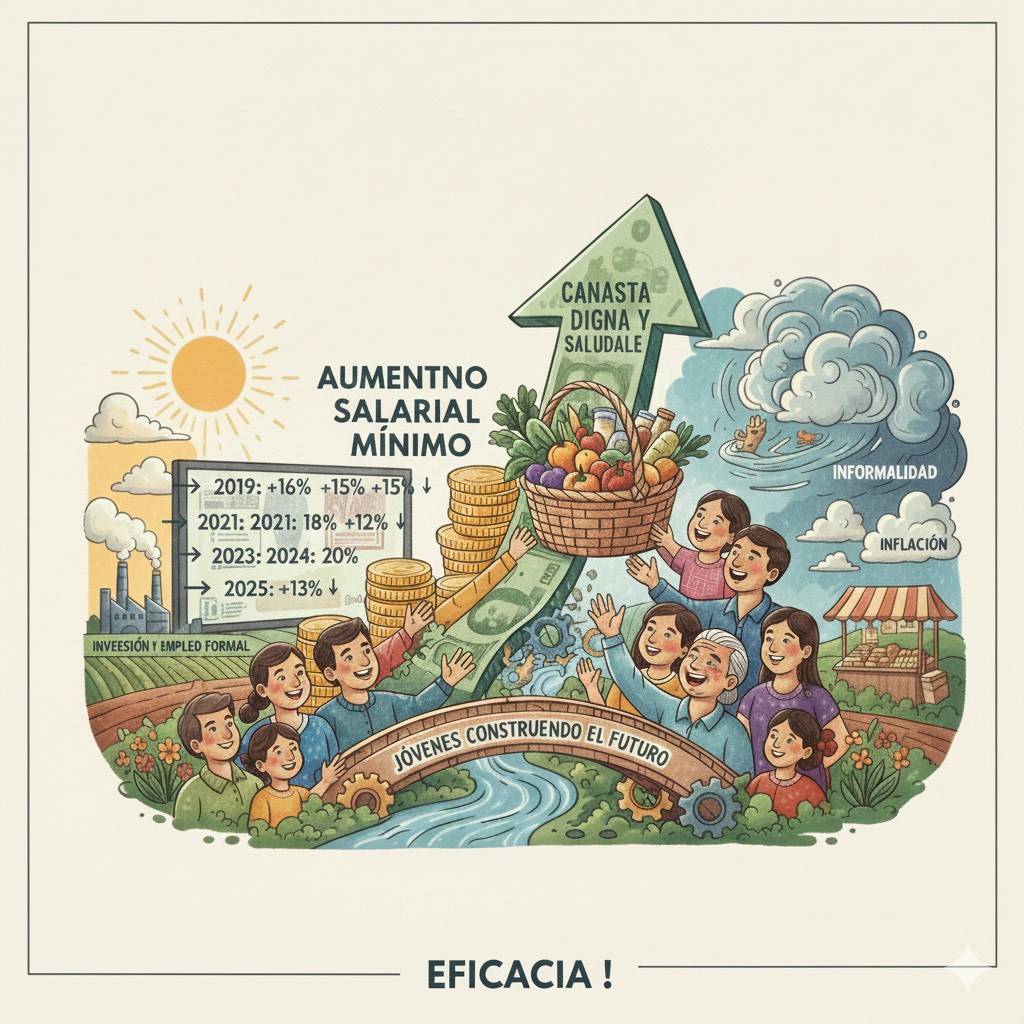
This paper analyzes the relationship that exists between level of education, gender, and employability within the framework of the social welfare program Jóvenes Construyendo el Futuro (JCF), part of Mexico’s Becas del Bienestar. A logit model was applied using date from the Centro de Integración Juvenil (CIJ) to estimate the probability of obtaining employment before the maximum twelve-month duration of the scholarship. The results highlight notable differences by sex and educational level: women, regardless of their education attainment, show negative slopes in their probability of employment; men with higher education also display a negative effect, though smaller in magnitude than the women, nevertheless, men with high school education obtain a positive effect. Overall, the study shows that gender and education are statistically significant variables, while the scholarship itself is marginally significant in the model. The global model is validated as significant against the null model, although the pseudo shows low explanatory power in the model. The most relevant finding suggests that JCF scholarships fail to counteract structural inequalities in gender and education within labor market insertion, with women holding higher education degrees being the most disadvantaged by the scholarship, showing the lowest probability of employment in the model.
Downloads