Archives
-
Future and options in the labor market for young Mexicans
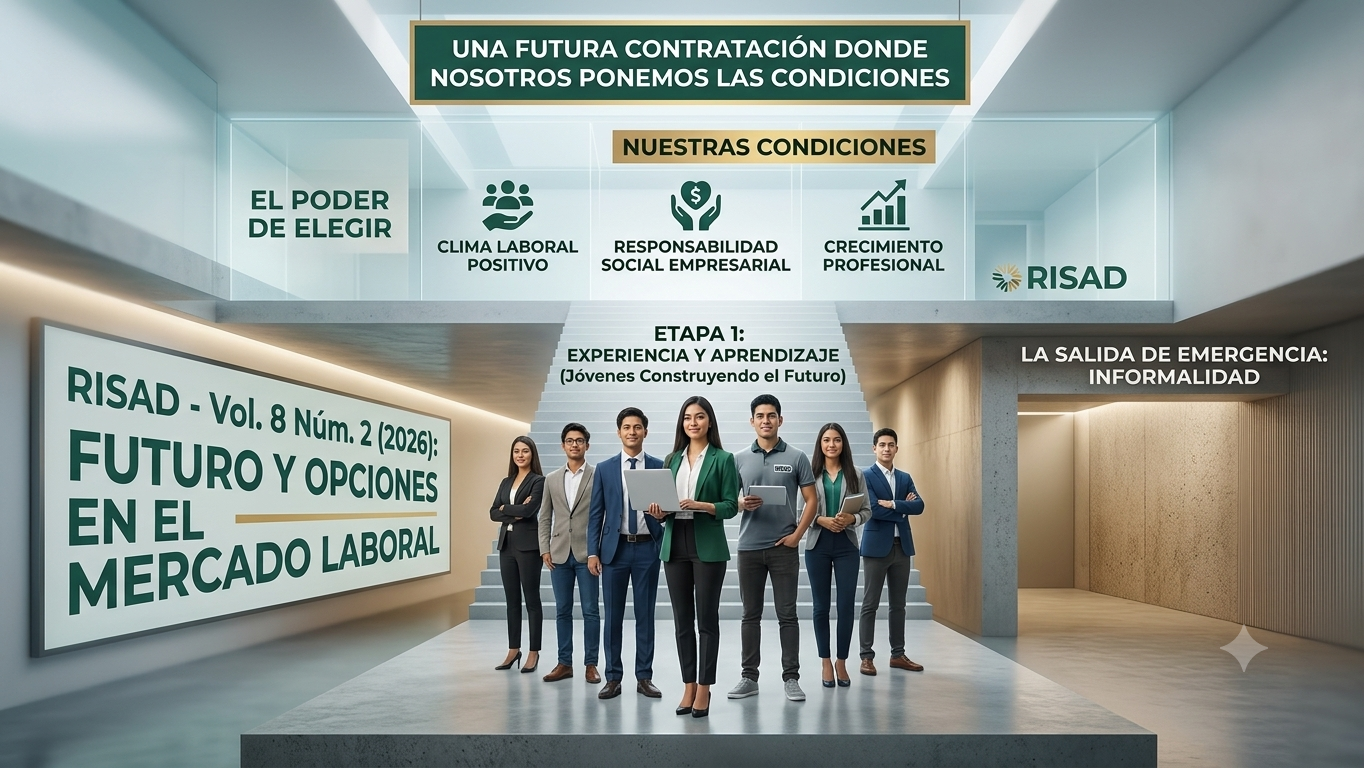
Vol. 8 No. 1 (2026)The social programs implemented by the government over the past six years have presented a challenge. In particular, the "Youth Building the Future" program poses a challenge for both young job seekers and employers, raising the question of whether it's better to keep them in the job or explore other options. That is, once young people gain experience in this initial work phase, they could have the tools to influence future employment conditions, even placing greater emphasis on factors beyond just salary. For example, factors like work environment and corporate social responsibility could influence future employees' choices about where to work. And if these conditions aren't met, there's an escape route for young job seekers: informality, a factor that, fortunately or unfortunately, has gained strength in recent years. These are the stories that RISAD shares with you, our readers, in the January-June 2026 issue. We hope you enjoy them.
-
Minimum wage and social programs to achieve full economic well-being
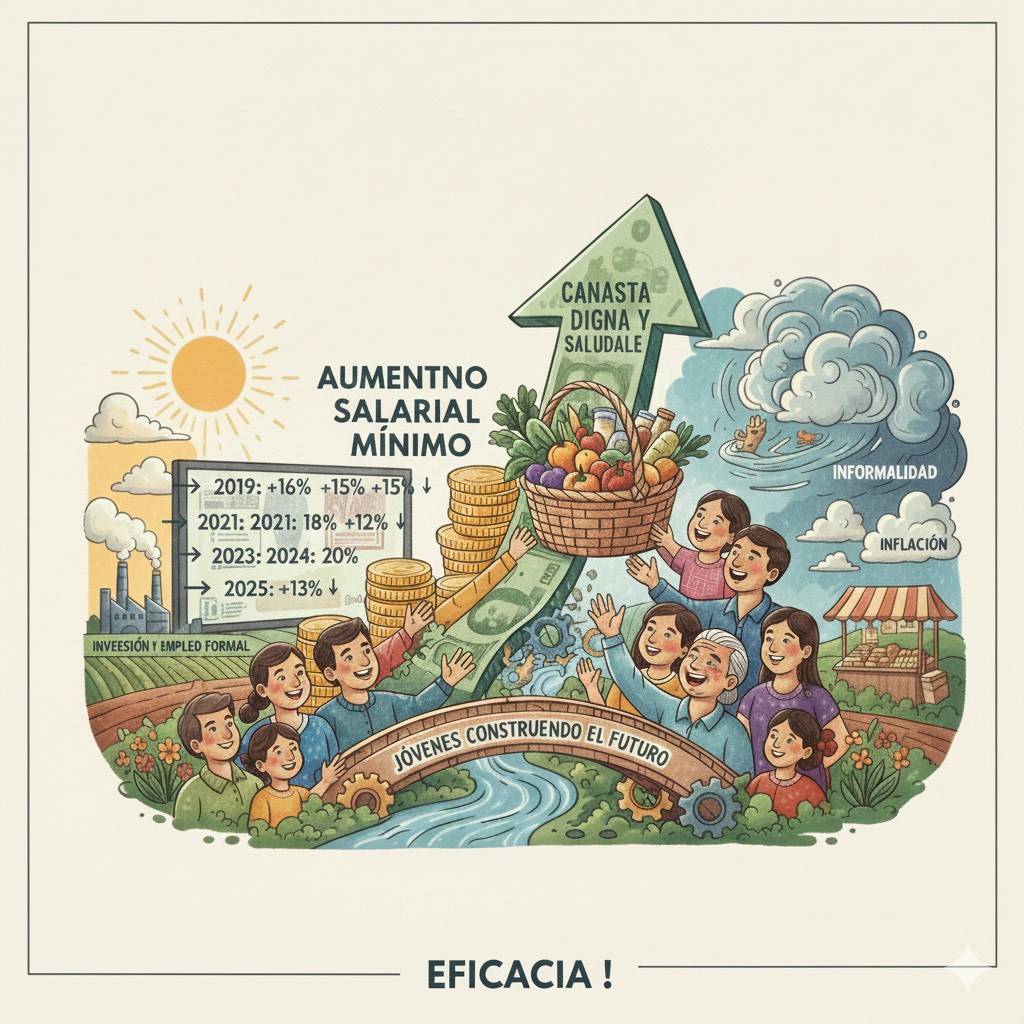
Vol. 7 No. 2 (2025)In Mexico, since 2019, minimum wage increases have ranged from 12% to 20%, with the latest increase of 13% scheduled for 2026. One of the objectives of this labor policy is to reduce poverty levels, ensuring that the population has access not only to a basic food basket, but also to a dignified and healthy one. While this policy and its objectives are laudable, obstacles such as informality, inflation, and a lack of investment in job creation undermine its potential success. Consequently, social programs have emerged to complement the minimum wage increases and make them more effective in achieving their goals. The relationship between the effectiveness of the minimum wage, access to a dignified basic food basket, and the "Youth Building the Future" program is the subject of RISAD's July-December 2025 issue. We hope you enjoy it, dear readers.