Differences in impact of the minimum wage on reducing multidimensional poverty in Chilpancingo, Guerrero, Mexico
Palabras clave:
Well-being and Poverty, Informal Economy, Wages, Public PolicyResumen
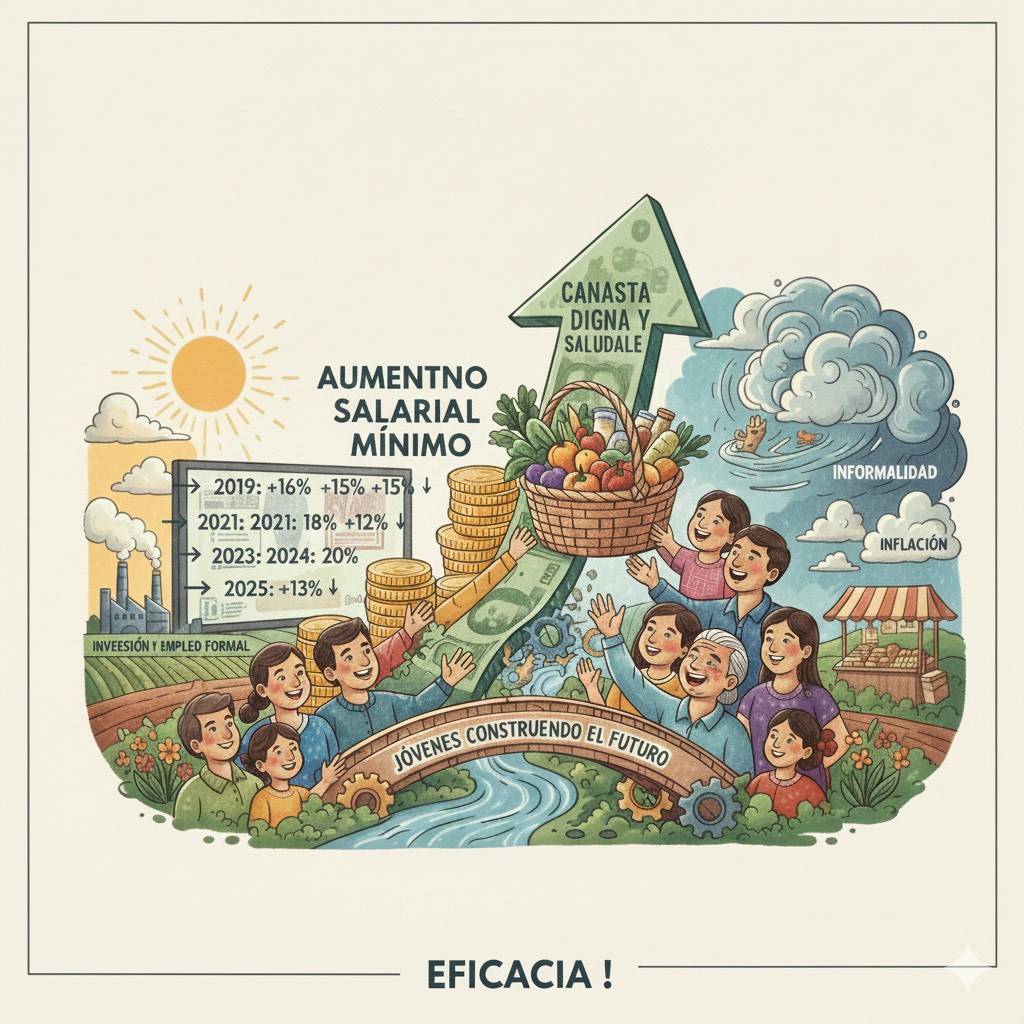
In Chilpancingo de los Bravo, the high level of labor informality is notable, limiting the benefits of the minimum wage, as many workers continue to lack access to social security or job security. This study aims to evaluate the impact of the minimum wage on reducing multidimensional poverty among two groups of workers: formal and informal workers in this locality, between 2018 and 2023. Using a quantitative approach with a non-experimental design, secondary data obtained from official sources were analyzed to establish the relationship between the increase in the minimum wage and changes in poverty indicators in the region. The results show that structural factors persist that limit significant poverty reduction: high labor informality and the lack of effective complementary policies. The study concludes that the minimum wage is not sufficient to transform the living conditions of the most vulnerable sectors. A comprehensive strategy is required that articulates wage increases with public policies aimed at labor inclusion, strengthening the social protection system, and equitable access to opportunities.
Descargas