Introduction
Although environmental awareness has been a concern since the 1960s, it is relevant again due to the ecological crisis and the increasing volume of waste worldwide (Zabala & García, 2008). A 70% increase in global solid waste (SW) generation is anticipated by 2050, with Latin America and the Caribbean contributing about 11% (United Nations, 2018); therefore, appropriate waste management is necessary.
Waste management becomes a challenge when the natural degradation capability is exceeded, generating severe social and environmental problems. The projected increase in municipal solid waste (MSW) is estimated to reach 11.2 billion tons annually by 2050, provoking significant ecological and climate concerns. Inadequate waste management contributes to 5% of greenhouse gases, intensifying environmental problems and affecting quality of life (United Nations, 2018).
Latin America and the Caribbean generate approximately 11% of global waste, totaling 231 million tons annually, with food, paper, and plastic as the main components (Kaza et al., 2018). Meanwhile, Mexico collects 107 thousand tons of municipal solid waste daily, of which only 9.63% is recycled, increasing the cost per ton destined for landfills and aggravating environmental damage (SEMARNAT, 2019).
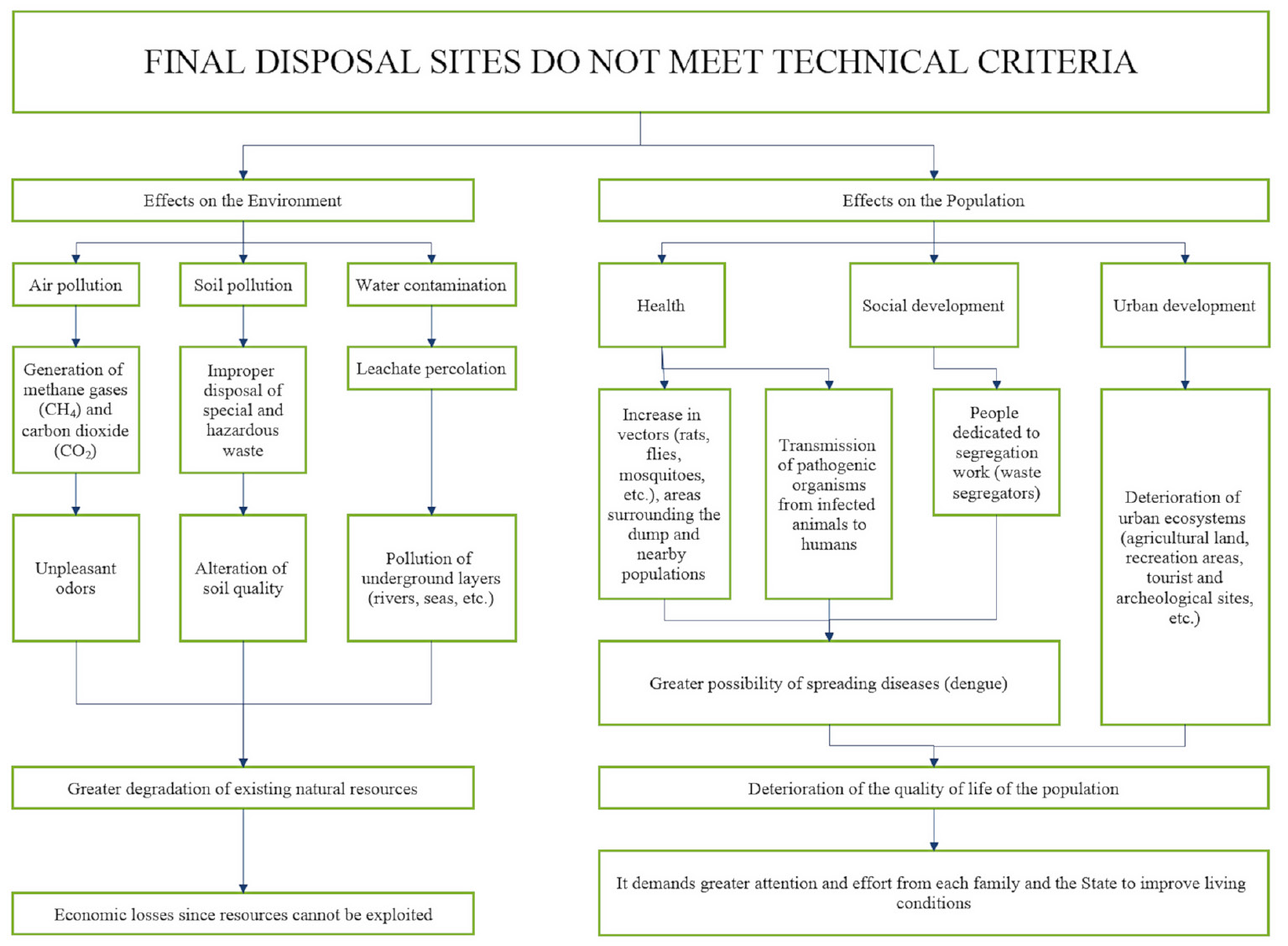
On the other hand, the progress of society, influenced by population growth and global connections, demands efficient waste management. Improper waste management seriously affects health and the environment (Figure 1) (CNDH, 2023; Mahajan, 2023; Toro et al., 2016). Mixing hazardous with ordinary waste contributes to diseases and health risks, while exposing workers (Poole & Basu, 2017). The proliferation of vectors, facilitated by improper waste disposal, amplifies public health threats. Proper management is paramount to prevent adverse health impacts and promote a sustainable environment (CNDH, 2023).
Figure 1
Cause-and-effect diagram of final disposal sites.
The implementation of treatment plants, new routes, increasing landfill capabilities, or studying the impact of population mobility on MSW recollection requires techniques that can handle this complexity (Mojtahedi, et al., 2021; Wei, et al., 2024).
On the other hand, system dynamics is an effective tool for studying the intricate behavior of systems across time. The methodology is based on the principles of nonlinear dynamics and feedback control. It asserts that a system’s configuration—encompassing its physical elements and the laws and decision-making processes that regulate it—is a fundamental factor influencing its behavior (Shafieezadeh, et al., 2020).
The system dynamics model can simulate the influence of the perceived effectiveness of the new plant. The effect of public participation in waste separation programs is significant, as the plant’s operational efficiency and economic viability rely heavily on the quantity and quality of separated waste supplied by the public (Sukholthaman & Sharp, 2016). This establishes a feedback loop essential for comprehending the enduring efficacy of the application. The application of system dynamics on MSW management is not new; studies in Bangkok, Balearic Islands, and the Czech Republic have been reported (Estay & Mena, 2018; Struk, 2017; Sukholthaman & Sharp, 2016). Because each culture has its own distinctive behavior, it is necessary to take into account such differences in studying the MSW management.
In Mexico, municipal solid waste (MSW) comprises waste generated by domestic and other activities such as public cleaning, excluding those classified as other types of waste by the General Law (Toro et al., 2016). In Veracruz, a Mexican state, 2.2 million tons of waste are generated annually, with 6,000 tons per day. Locally, the municipality of Maltrata contributes around 5 tons per day to the landfill without carrying out waste separation, facing significant costs (Gobierno de Veracruz, 2023). Different types of MSW are identified in the municipality according to their origin, as detailed in Table 1. It is worth noting that some households have implemented a form of waste reduction by utilizing organic waste as animal feed and selling PET residues.
Table 1
Sources of Solid Waste Generation in the Municipality.
|
Waste source |
Facilities, Activities, or Locations where they are Generated |
Types of Solid Waste |
|
Domestic |
Residential dwellings or housing units |
Food waste, paper, cardboard, plastic, garden waste, wood, glass, and metals. |
|
Commercial |
Stores, restaurants, markets, hotels, gas stations. |
Paper, cardboard, plastic, glass, and metals. |
|
Institutional |
Schools and government centers |
Paper, cardboard, plastic. |
|
Agricultural |
Field crops, fruit trees, livestock |
Food waste, agricultural residues. |
United Nations Agenda 2030 encourages the adoption of measures to improve waste disposal, aligning communities with sustainable goals (United Nations, 2015). This paper presents a case study of Maltrata, a municipality in the state of Veracruz, bordering Puebla, and two other municipalities in the state of Veracruz; it covers 132.43 km2 and has a temperate climate. Its population in 2020 reached 13,206 inhabitants, with economic activities centered on agriculture, livestock, and commerce. Population growth has been constant since 1990, as shown in Table 2, evidencing regional development (INEGI, 2020).
Table 2
Population growth of the municipality
|
Year |
Population of the municipality |
municipal seat |
Men |
Women |
% of Municipality |
|||
|
1990 |
12,576 |
8,732 |
4,230 |
4,502 |
69.434% |
|||
|
1995 |
14,100 |
9,792 |
4,673 |
5,119 |
69.447% |
|||
|
2000 |
14,709 |
10,273 |
4,870 |
5,403 |
69.842% |
|||
|
2005 |
14,813 |
10,631 |
4,914 |
5,717 |
71.768% |
|||
|
2010 |
16,898 |
11,842 |
5,597 |
6,245 |
70.079% |
|||
|
2020 |
18,327 |
13,206 |
6,328 |
6,878 |
72.058% |
|||
Note: Adaptation of the data presented on the Instituto Nacional de Estadística y Geografía. (INEGI, 2020)
Maltrata was chosen as a case study because the authorities recognize MSW handling as a problem. With insufficient human and material resources to waste recollection, the authorities search for real solutions in MSW handling (Plan Municipal de Desarrollo, 2022). This work search demonstrated that the System Dynamics approach could provide decision-makers with sufficient information about the viability of implementing a treatment and separation plant in a municipality with high population mobility and changing MSW handling at home. This work is limited to small municipalities with landfills in the surroundings. One peculiarity in the case study is the population: this region is characterized by a decreasing number of inhabitants.
1. Methodology
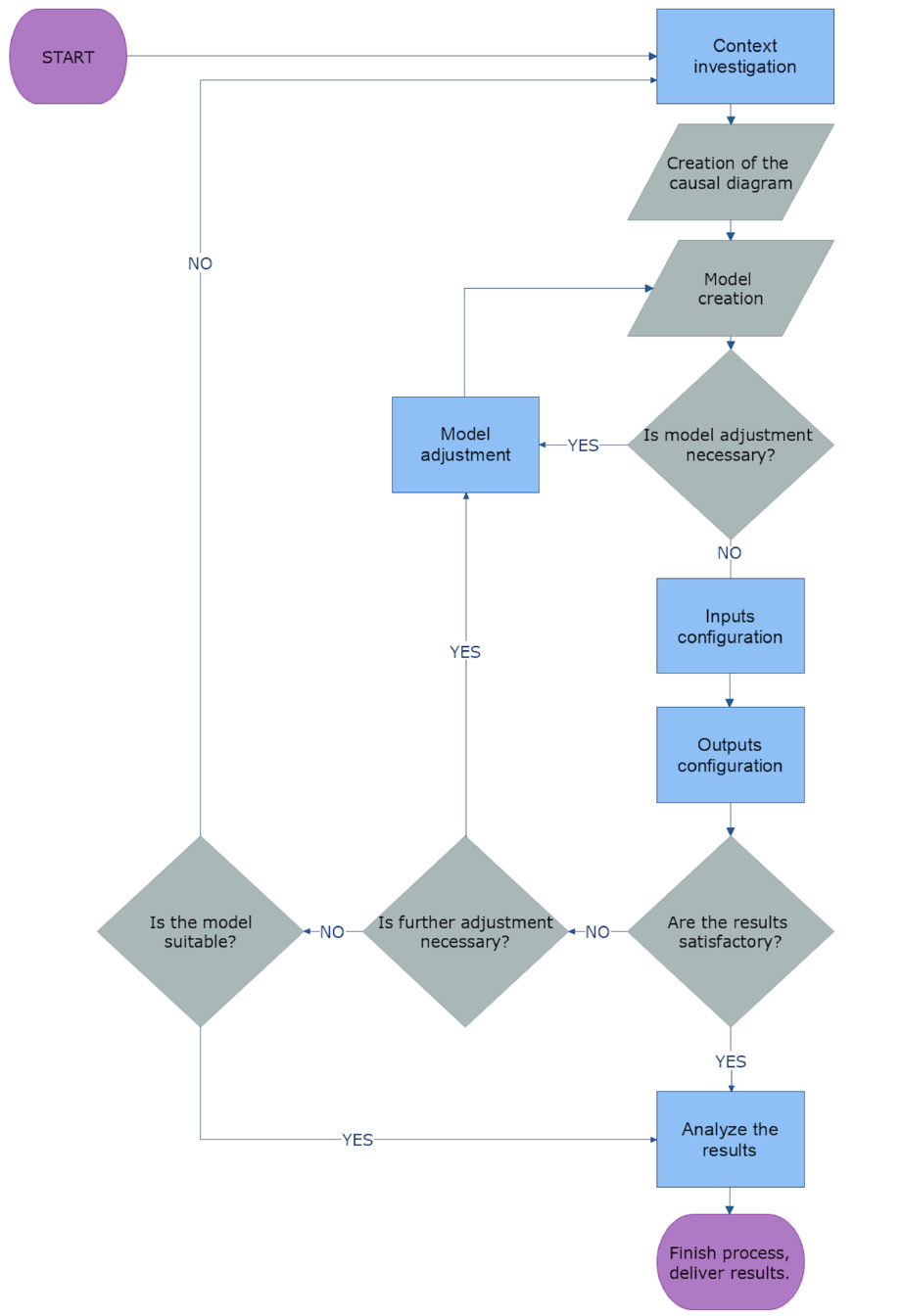
Stella software and information from Tables 1 and 2 are employed for the simulation process. The simulation process comprises problem context research, causal diagram creation, mathematical model development, and inputs/outputs configuration, as shown in Figure 2. These variables collectively enable the simulation process and results analysis. This method facilitates problem comprehension and allows for making informed decisions, offering the possibility of creating and adjusting the model as necessary.
Following the Figure 1 diagram, the causal and mathematical models were created using the Matrata municipality data and reviewing this region’s specific context and population.
Figure 2
General flow chart of process dynamics in Stella.
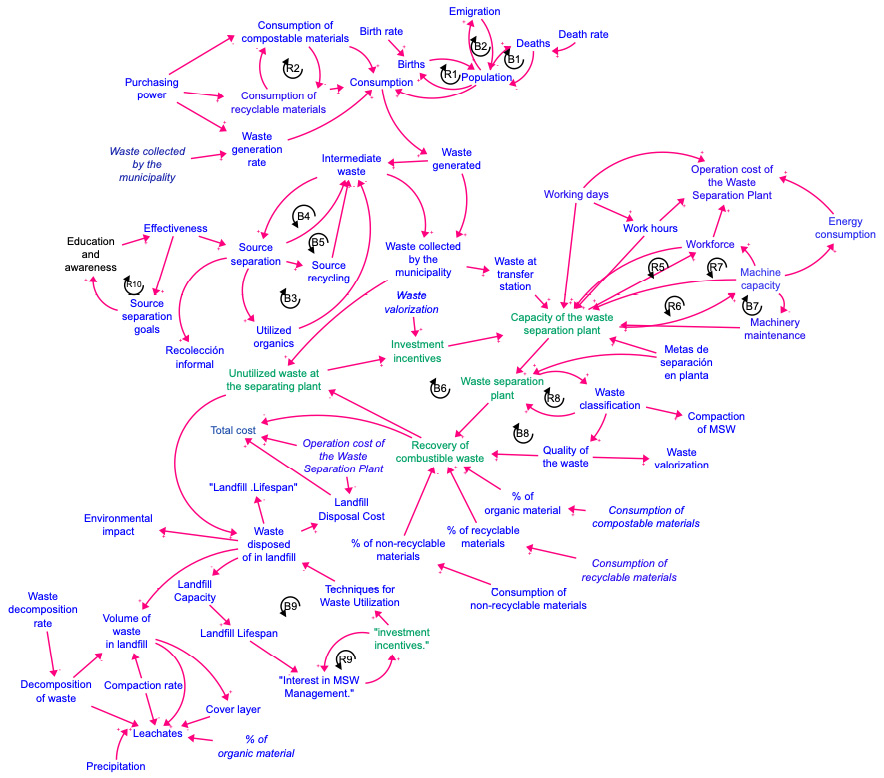
The obtained causal diagram is presented in Figure 3. The MSW management-related variables are analyzed employing a causal diagram. This diagram enhances understanding of variable interactions and their influence, spanning from waste generation to final disposition. This analysis validates the relationships between the variables, giving a deep understanding of the underlying mechanisms and causal connections that affect the MSW.
In the causal diagram elaboration, the traditional system dynamic components were employed as follows:
- Levels (Stokes): These denote accumulations inside the system. They are the state variables defining the system at any specific moment.
- Flows (Rates): These denote the rates at which stocks fluctuate. Flows denote the decisions, acts, and repercussions that result in the augmentation or diminution of stocks across time. Flows are represented as pipelines equipped with valves.
- Feedback Loops: These constitute the fundamental elements of the system dynamics methodology. A feedback loop is a closed sequence of causal connections in which an initial cause transmits through several intermediary links, eventually returning to affect the original cause.
- Positive Feedback Mechanisms: These enhance transformation and facilitate exponential expansion or decline.
- Negative Feedback Mechanisms: These are oriented toward goal attainment and stabilization. They function to guide a system towards a preferred state and sustain equilibrium.
The causal diagram highlights the socioeconomic relevance of the type and amount of the generated waste. Not only are socioeconomic aspects relevant, but population growth, consumption patterns, collection infrastructure, and separation strategies are crucial in efficiently managing MSW.
Figure 3
MSW causal diagram in the municipality.
Note. Reprinted under CC from (Ibargüen & Flores, 2024).
2. Results
Considering that waste generation is highly dependent on the population, it is necessary to consider the population dynamics. Figure 4 shows the portion of the causal diagram showing the population dynamics. By analyzing the population dynamics and considering the census and registration data at the civil registry office, a mathematical model was developed for newborns, deaths, and migration, as shown in Table 3.
Figure 4
Causal diagram portion of the Population model.
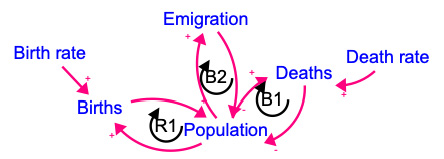
Table 3
Model equations.
|
Described variable |
Equation |
R2 |
|
Births |
-1.3821x + 44.67 |
0.769 |
|
Deaths |
4.52×10⁻²x + 3,764 |
0.139 |
|
Migration |
2×10⁻⁴ ln (x) +1.29×10⁻² |
0.865 |
Pearson’s correlation is used to validate the model. For births and deaths, this correlation R2 is moderate; therefore, it cannot be used as a predictor of births or deaths. However, this correlation is strong when predicting the population at an acceptable level (Table 4), suggesting that the model fits well to describe the population’s behavior over 20 years. It is important to point out that an acceptable growth population model can help in long-term waste generation modeling. It is worth noting that the correlation between predicted and actual deaths and births is low, primarily due to the lack of recent data. Despite the low correlation coefficient of births and deaths, the predicted population correlation is high. This result can be considered a compensation for the influence of deaths and births on the population calculation.
Tabla 4
Pearson correlation with new equations.
|
Pearson Pairwise Correlations |
||||
|
IC de 95% |
||||
|
Sample 1 |
Sample 2 |
Correlation |
P |
p-value |
|
Real Deaths |
Simulated Births |
0.588 |
(0.197;0.818) |
0.006 |
|
Real Births |
Simulated Births |
0.541 |
(0.130,0.794) |
0.014 |
|
Predicted Population |
Simulated Population |
0.994 |
(0.985;0.998) |
0.000 |
The analysis used a scatter plot (Figure 5) to visualize the relationship between two data sets. Similarity between patterns and groupings was evaluated, indicating correspondence. Distributions’ superposition made it possible to determine the adequacy of the empirical equation to the reality of the data, assessing the accuracy of the relationship established.
Figure 5
Actual and generated MSW in Stella.
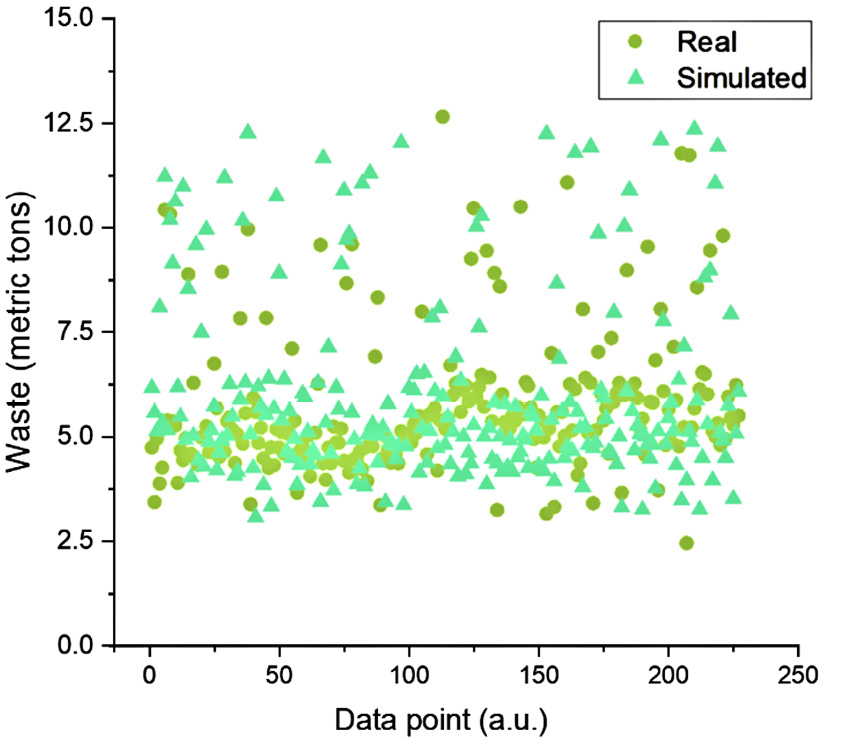
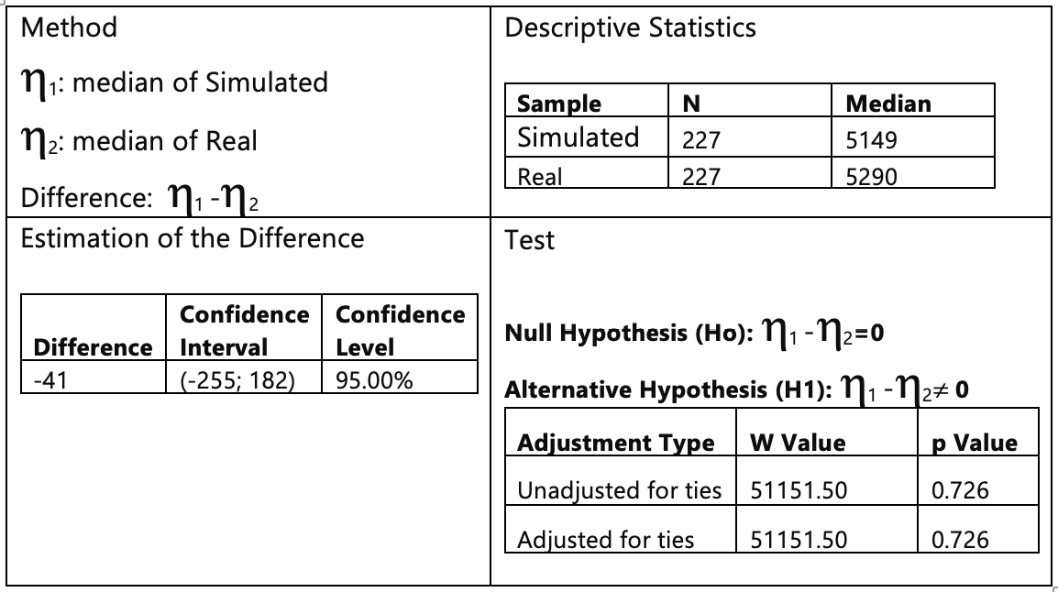
An analysis was performed using the Wilcoxon-Mann-Whitney test to compare the medians of two independent groups. This nonparametric test was chosen since approximately 13% of the data did not fit a normal distribution. Figure 5 shows the result with a confidence interval (-255; 182) and a p-value of 0.726. At a confidence level of 95%, there was insufficient evidence to reject the null hypothesis, indicating no significant difference between the medians of the two groups (actual and simulated).
Figure 6
Wilcoxon-Mann-Whitney Test.
Another complexity layer is a government program in which, over 12 weeks, waste is collected from households participating in an environmental management project. This initiative, distributed throughout the city, begins with a week of regularization, during which a waste separation system consisting of four categories per household is explained to residents.
The separation categories are as follows: organic, dirty inorganic, recyclable inorganic, and sanitary. Each household is responsible for sorting its waste into these four designated bags, thus contributing to the community effort for more efficient and sustainable waste management.
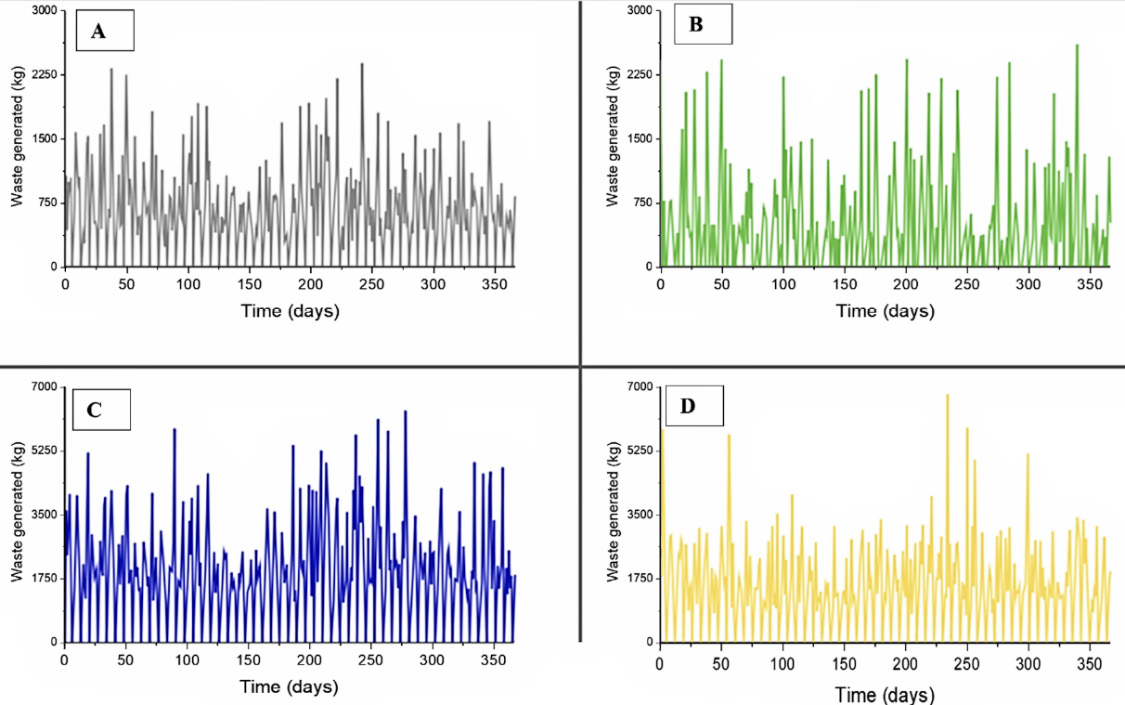
In addition, with the collected data, randomizations were created to describe the generation of the waste collected. Figure 7 shows the results of the simulation for one year. Randomizations were created to increase the modeling accuracy.
Figure 7
Composition of collected waste separated by classes: A) Recyclable, B) Organic, C) Inorganic, and D) Sanitary.
Waste recovery targets are calculated based on data obtained from 10% of recyclable waste in households and 80% of the remaining waste, excluding sanitary waste, in the plant. In addition, the model in Figure 8 shows the calculation of costs under the recovery targets.
Figure 8
Costs with different separation goals.
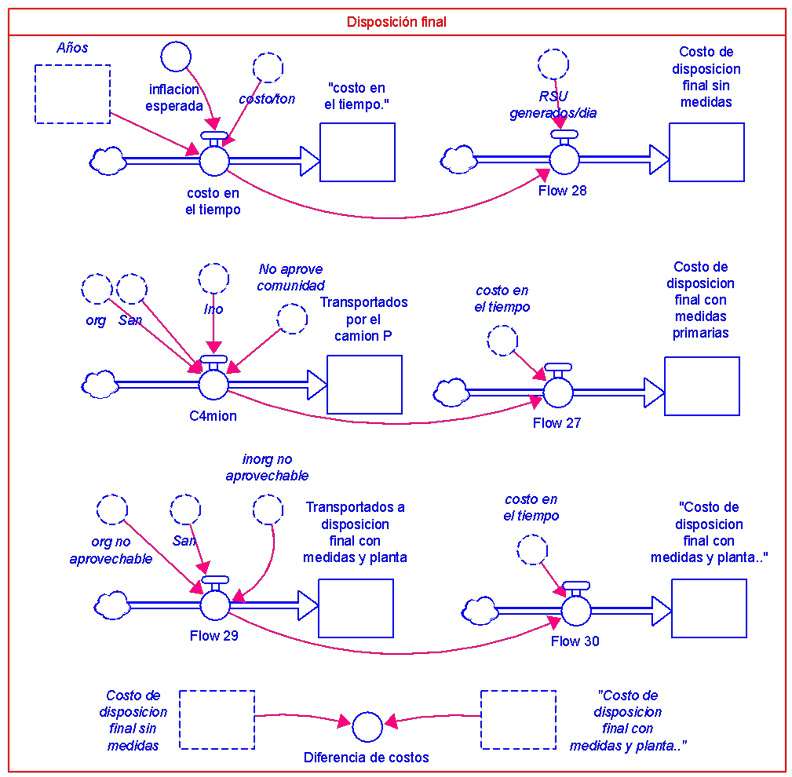
Figure 8 helps propose different scenarios where the separation goals are reached. These scenarios are used to evaluate the costs associated with waste disposal.
Figure 9 shows an evaluation of the current costs associated with the waste disposal process, presenting the municipality’s collection model. On the left side of the figure, two charging options are shown: the first consists of a weekly charge of 35 cents USD per household, while the second is based on tax collection. On the other hand, in the model depicted on the right side, the costs associated with waste disposal are detailed. This ranges from landfill costs to the costs associated with paying collection personnel, including drivers and collectors.
Figure 9
Current disposal costs.
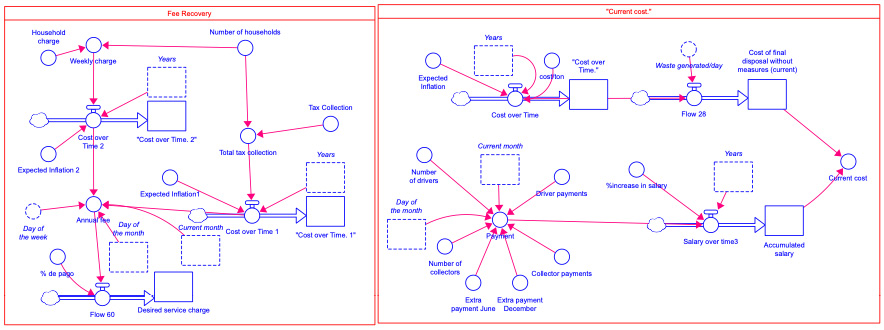
Figure 10A shows the system’s behavior under the assumption that 100% of households (5500) would pay for the service. The dotted line reveals a positive balance, which could be used for vehicle maintenance and street and road cleaning. In contrast, Figure 10B reflects the current situation, where less than 20% of households pay for the service. It is apparent that, instead of generating revenue for other services, the current system operates at a loss, accumulating a debt of 12 thousand USD at the close of one year. As shown in Figure 10A, revenue can be observed when all households pay for the collection service. Financial sustainability can be achieved by improving the payment collection system.
Figure 10
System cost as a time function.
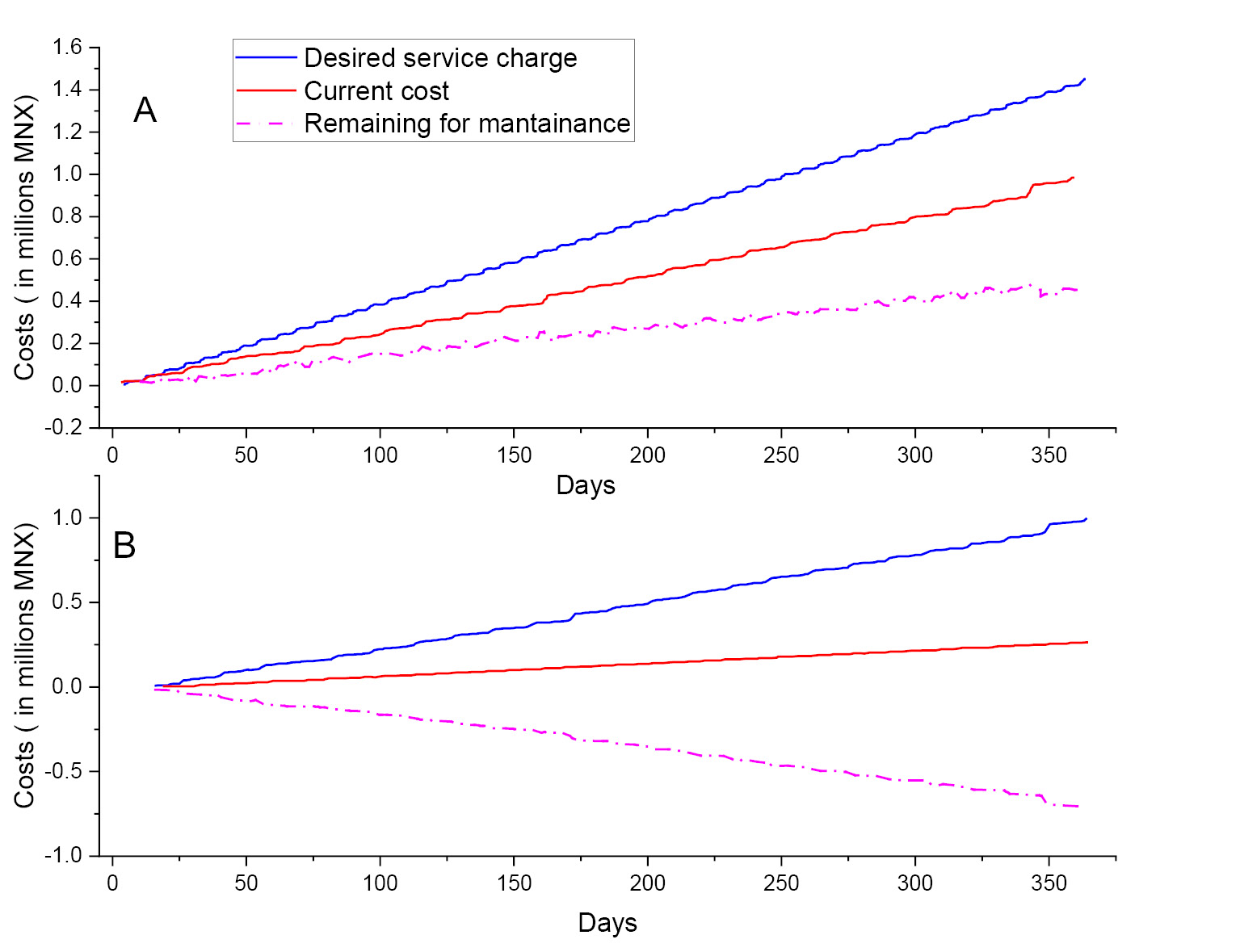
Note: A) expected system costs, B) current situation. The amounts are expressed in Mexican pesos.
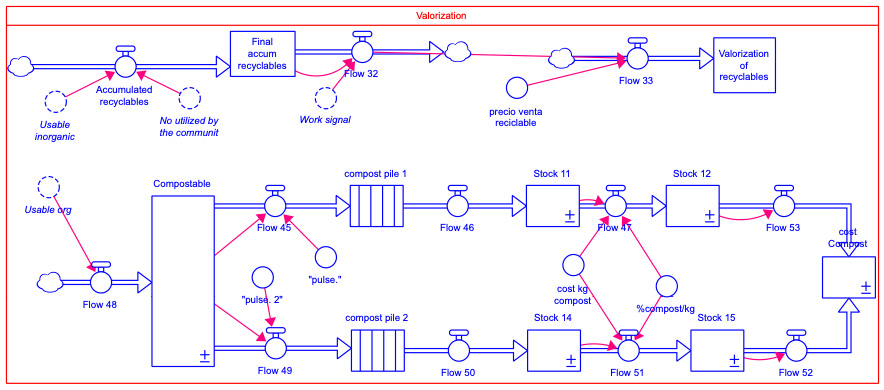
The valorization model is presented in Figure 11, and the separation plant input waste is considered. Special attention is paid to organic residues, raising the amount of compost that can be recovered. A 35% compost recovery is considered once the maturation time elapses.
Figure 11
Waste valorization.
As reported in the literature (Sukholthaman & Sharp, 2016), a higher separation rate results in a lower amount of mixed waste being disposed of in landfills. Waste separation also influences MSW management, resulting in transportation efficiency, as pointed out by Sukholthaman (Sukholthaman & Sharp, 2016) and confirmed in Figure 10.
3. Conclusion
The system dynamics approach helps consider complex interactions among waste generation, collection routes, and recycling attempts. Therefore, a more realistic and insightful model for decision-making is obtained.
The introduction of population dynamics helps better represent the possible impacts of population dynamics on waste collection and management, which is why this model adequately represents areas where migration has a strong influence, such as our case study.
Maltrata municipality has been taken as a case study to analyze the viability of sorting plant implementation. One of the peculiarities in the case study is the population; a decreasing number of inhabitants characterizes this region. Another fact is that the population in this region is outside the home during most of the day. As a result of these peculiarities, waste production is only 35% of the state average production, equivalent to 0.31 kg/hab/day. The low correlation coefficient in the deaths and births calculations should be considered. For future studies, this coefficient calculation can be enhanced by incorporating more information sources beyond those from the Municipality authorities.
In the hypothetical scenario of implementing a sorting plant to recover 80% of the waste, organic and inorganic, a 50% reduction in disposal costs could be achieved in 15 years. This reduction could translate into an estimated saving of 300 thousand USD. It is essential to consider that this projection assumes an expected inflation rate of 1.5% in disposal costs.
The comparison between the idealized scenario, in which 100% of households would pay for the service, and the current reality, where less than 20% pay, highlights a significant disparity in financial results. The current model shows substantial losses, ending the year with a considerable accumulated debt of 42 thousand USD.
In addition to the economic benefit, implementing waste sorting and constructing a sorting plant has other advantages. Waste reduction, material recovery, and sustainable practices are among the advantages of waste management in the studied municipality. Over 15 years, 15,000 tons have stopped being sent to landfills. In the case of residue valorization, the government can benefit by 25 million USD.
Currently, waste generation in the municipality needs to reach the volume necessary to make the installation of a waste separation plant viable. Given this situation, initiating a proactive dialogue with neighboring municipalities, promoting sustainable practices, and collaborating to construct a waste separation plant is suggested.
Although local in scope, the results and procedures presented here can be extrapolated to higher levels after considering population growth and waste collection dynamics, which is why this work is intended to lay the groundwork for a more extensive study.
Data Availability Statement
Support data can be obtained from the corresponding author upon request.
Conflicts of Interest
The authors declare no conflict of interest.
Funding statement
No funding was received for conducting this study.
References
CNDH. (2023). Sobre el caso de las violaciones a los derechos humanos a un medio ambiente sano y al saneamiento del rio la arena, en Santiago Pinotepa Nacional Oaxaca.
CSMAEA. (2021). Consecuencias de la generación de residuos. https://www.juntadeandalucia.es/medioambiente/portal/landing-page-%C3%ADndice/-/asset_publisher/zX2ouZa4r1Rf/content/consecuencias-de-la-generaci-c3-b3n-de-residuos/20151
Estay-Ossandon, C., & Mena-Nieto, A. (2018). Modelling the driving forces of the municipal solid waste generation in touristic islands. A case study of the Balearic Islands (2000–2030). Waste Management, 75, 70–81.http://doi.org/10.1016/j.wasman.2017.12.029
Humarán, V. (2009). Metodología para analizar y evaluar un sistema de innovación como cadena de valor basada en dinámica de sistemas: caso sector metal mecánico del estado de Coahuila.
Ibargüen Rodríguez, S. L., & Flores Cuautle, J. J. A. (2024). Application of system dynamics to evaluate reduction targets for the entry of solid waste into a landfill site. Discover Environment, 2(1), 67. https://doi.org/10.1007/s44274-024-00091-9
INEGI. (2020). XI Censo General de Población y Vivienda 1990-2020. https://www.inegi.org.mx/programas/ccpv/1990/#Microdatos
Kaza, S., Yao, L., Bhada-Tata, P., & Woerden, F. Van. (2018). What A Waste 2.0 A Global Snapshot of Solid Waste Management to 2050 Overview.
Mahajan, P., (2023). Environment and Health Impact of Solid Waste Management in Developing Countries: A Review. Current World Environment, 18(1), 18-29
Mojtahedi, Mohammad, et al. “Sustainable vehicle routing problem for coordinated solid waste management.” Journal of Industrial Information Integration 23 (2021): 100220.
Navarro, J. (2007). De la Teoría General de Sistemas a las Ciencias de la Complejidad.
Peña, G. (2003, November). Dinámica de Sistemas y Análisis Cualitativo Matemático, en Modelos de Gestión de la Producción. https://idus.us.es/bitstream/handle/11441/24390/Original_DT264.pdf?sequence=1&isAllowed=y
Plan Municipal de desarrollo 2022-2025 (2022), H. Ayuntamiento Maltrata. https://www.veracruz.gob.mx/finanzas/wp-content/uploads/sites/2/2022/PMD/PMD%20Maltrata.Veracruz.2022-2025.pdf, pp 43
Poole, C. J. M., & Basu, S. (2017). Systematic Review: Occupational illness in the waste and recycling sector. Occupational Medicine, 67(8), 626-636.
Shafieezadeh, Mahdi, et al. “A system dynamics simulation model to evaluate project planning policies.” International Journal of Modelling and Simulation ٤٠.٣ (٢٠٢٠): ٢٠١-٢١٦.
SEMARNAT. (2019). Medio Ambiente. Cuéntame de México. https://cuentame.inegi.org.mx/territorio/ambiente/basura.aspx?tema=T
Struk, M. (2017). Distance and incentives matter: The separation of recyclable municipal waste. Resources, Conservation and Recycling, 122, 155–162. https://doi.org/10.1016/j.resconrec.2017.01.023
Sukholthaman, P., & Sharp, A. (2016). A system dynamics model to evaluate effects of source separation of municipal solid waste management: A case of Bangkok, Thailand. Waste Management, 52, 50–61. https://doi.org/https://doi.org/10.1016/j.wasman.2016.03.026
Toro, E. R., Szantó, M., Juan, N., Pacheco, F., Contreras, E., & Gálvez, A. (2016). Guía general para la gestión de residuos sólidos domiciliarios.
United Nations. (2015). Sostenibilidad | Naciones Unidas. https://www.un.org/es/impacto-acad%C3%A9mico/sostenibilidad
United Nations. (2018). Datos y cifras | Naciones Unidas. https://www.un.org/es/actnow/facts-and-figures
Wei, Yujun, et al. (2024). The complexities of decision-making in food waste valorization: A critical review. Journal of Environmental Management 359. 120989
Zabala, I., & García, M. (2008). Historia de la Educación Ambiental desde su discusión y análisis en los congresos internacionales. Revista de Investigación, 32(63), 201–218. http://ve.scielo.org/scielo.php?script=sci_arttext&pid=S1010-29142008000100011&lng=es&nrm=iso&tlng=es